AI-Assisted Game Dev in 2026: What Actually Works in Production
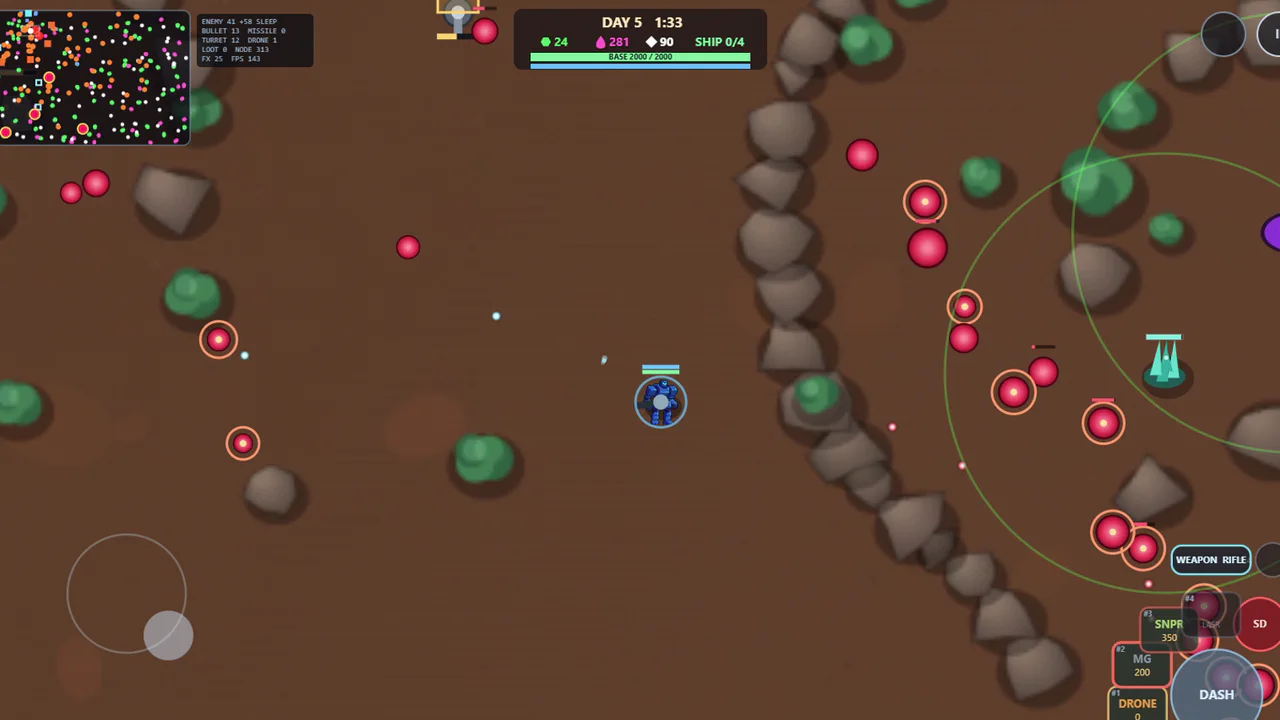
Image: Bud Leiser
Ask ten developers whether AI belongs in game production and you will get, almost exactly, five yes and five no. That is not a figure of speech. The GDC 2026 State of the Game Industry survey found that around a third of developers now use generative AI in their work, while roughly half of all respondents believe it is having a negative effect on the industry. Adoption and skepticism are rising at the same time.
That tension is the whole story of 2026. AI is no longer a demo you watch and forget. It is quietly wired into real pipelines. But the honest version of “AI-assisted game development” looks nothing like the one-prompt-makes-a-game pitch that fills your feed. This guide is about the boring, useful reality: where AI actually earns its place in production, where it quietly wastes your week, and how a small studio can build a workflow that ships.
What “AI-assisted” really means in 2026
The useful mental model is simple. AI is not a designer. It is a very fast, very literal intern who never gets tired and never has taste. It shines at the middle of a task: the placeholder, the first draft, the tenth variation, the tedious refactor. It fails at the two ends: knowing what to build, and knowing when something is actually good.
The studios getting value out of AI in 2026 treat it as a compression tool for the parts of production that were always slow and never fun. Concept exploration, placeholder art, boilerplate code, dialogue drafts, localization passes, and QA triage. The parts that require judgment, direction, and player empathy stay firmly human. Our studio at BudLeiser uses exactly this split when we prototype: AI fills the gaps between decisions, people make the decisions.
Where AI genuinely helps
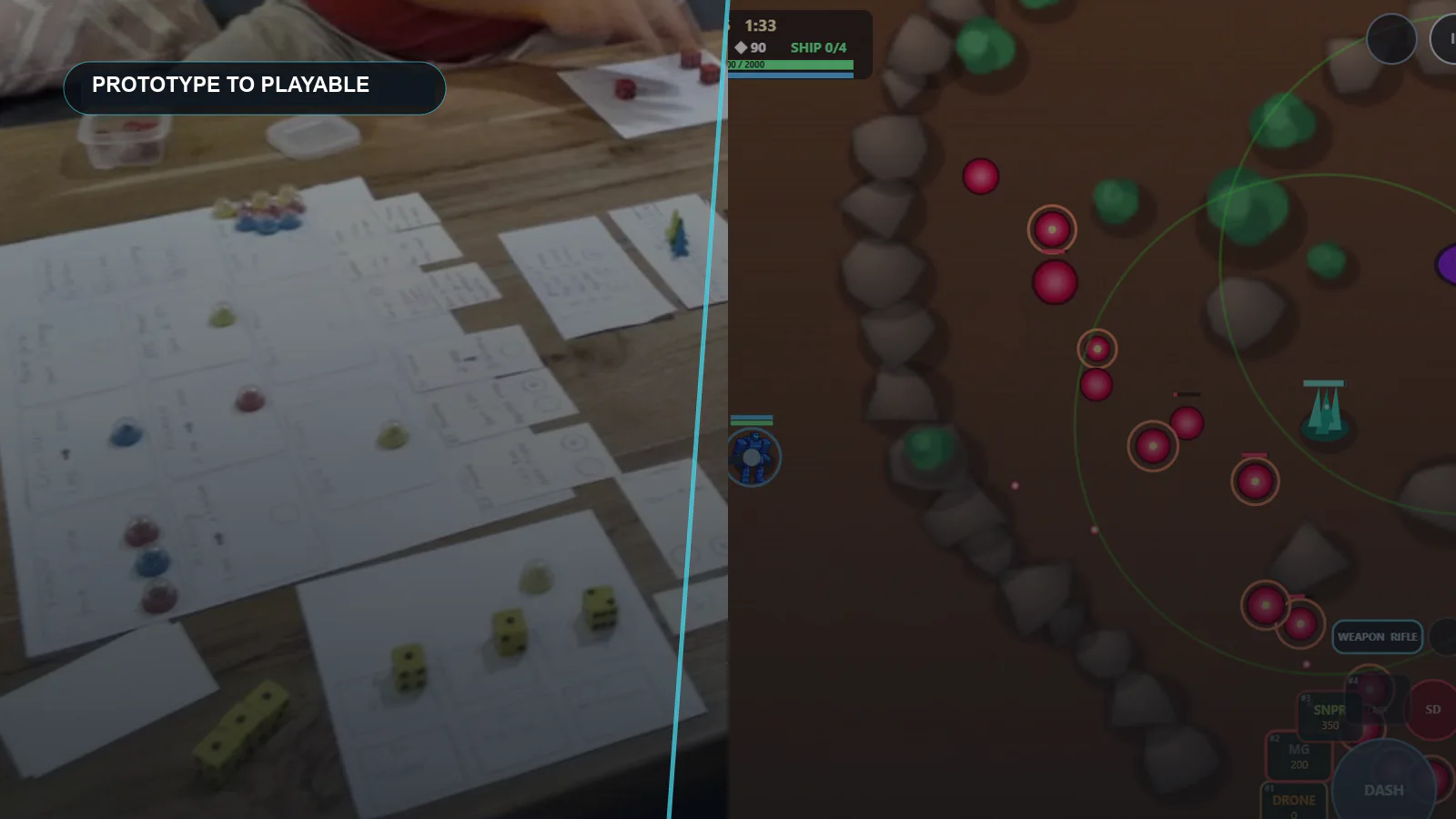
Prototyping and concept exploration. This is the strongest, least controversial win. When you can generate twenty rough character silhouettes or ten level-block layouts in an afternoon, you spend your design energy choosing instead of grinding. Tools like Unity Muse aim directly at this in-editor exploration stage, and prompt-to-prototype platforms like Rosebud let non-programmers stand up a playable loop fast enough to test a hunch before committing a sprint to it.
Placeholder and greybox assets. AI-generated textures, temp audio, and rough models are perfect for filling a vertical slice so playtesters react to the game and not to missing content. The rule is that placeholders stay placeholders. They validate a feel, then a real artist replaces them.
Code assistance. The most widely adopted use across the industry is still the least glamorous one: an AI pair-programmer that writes boilerplate, explains unfamiliar systems, and drafts unit tests. It is a productivity multiplier for engineers, not a replacement for them.
Audio and localization drafts. Temporary voice lines, rough sound effects, and first-pass translations move faster with AI. Final ship-quality audio and any nuanced localization still wants a human, but the draft-to-polish gap shrinks a lot.
Where AI still hurts
Three failure patterns show up again and again.
First, the polish trap. AI gets you to 70 percent in an hour, then the last 30 percent takes longer than doing it by hand would have, because you are now editing something you did not fully author. If a task is small and you know exactly what you want, just make it.
Second, consistency. Generative art is famously bad at matching a fixed style, a recurring character, or a coherent art direction across hundreds of assets. This is why AI stays in the placeholder and concept lanes for most serious projects.
Third, licensing and provenance. The legal ground under generative assets is still uneven in 2026. Any asset that ships needs a clear, auditable answer to “where did this come from and are we allowed to use it commercially?” Build that check into your pipeline before you build anything on top of AI output.
A workflow that ships
Here is the practical shape of an AI-assisted pipeline that respects both speed and quality.
| Stage | AI role | Human role | Watch out for |
|---|---|---|---|
| Concept and pitch | Generate mood, silhouettes, quick variations | Choose direction, define the fun | Falling in love with a pretty image over a real idea |
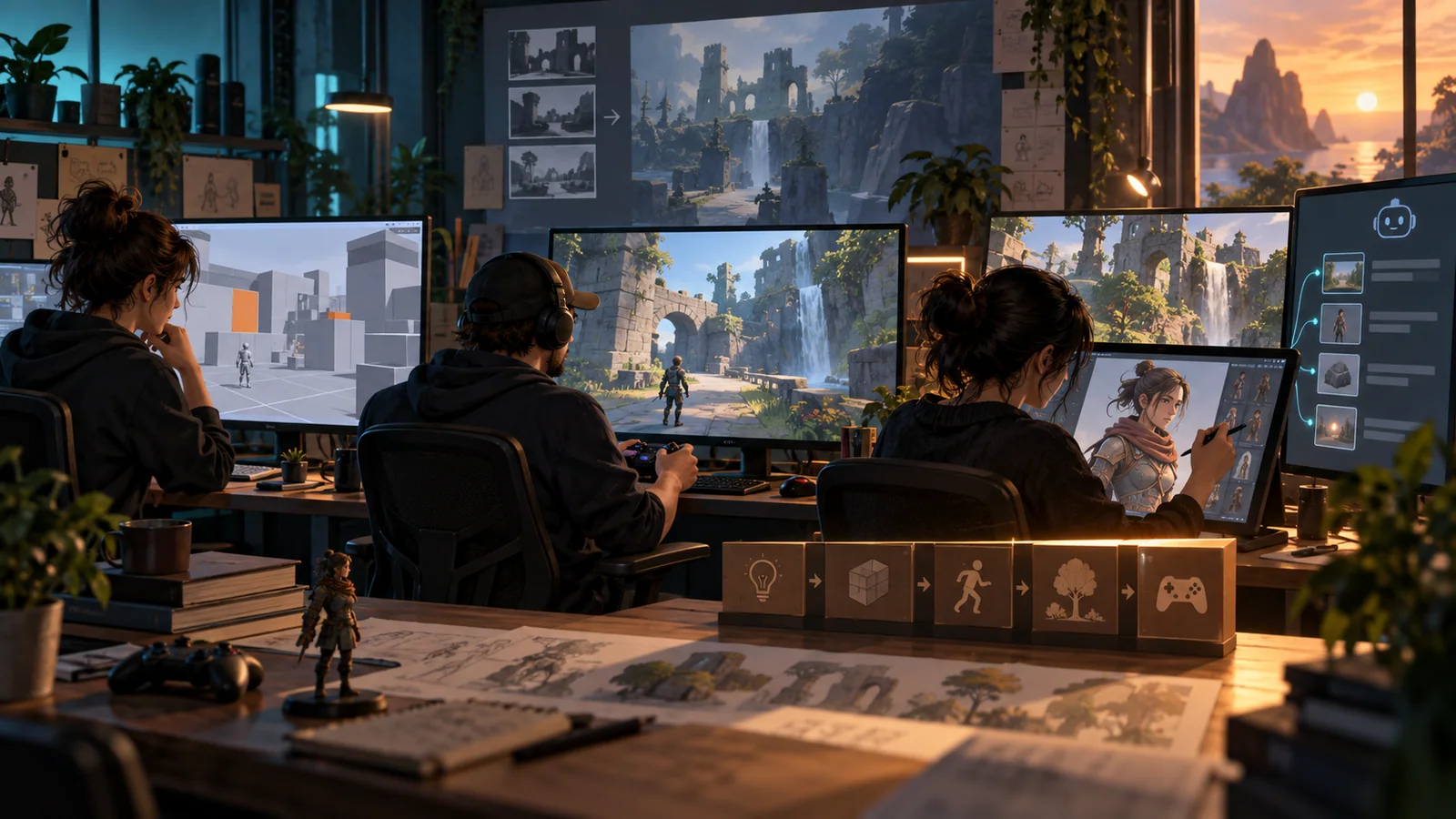
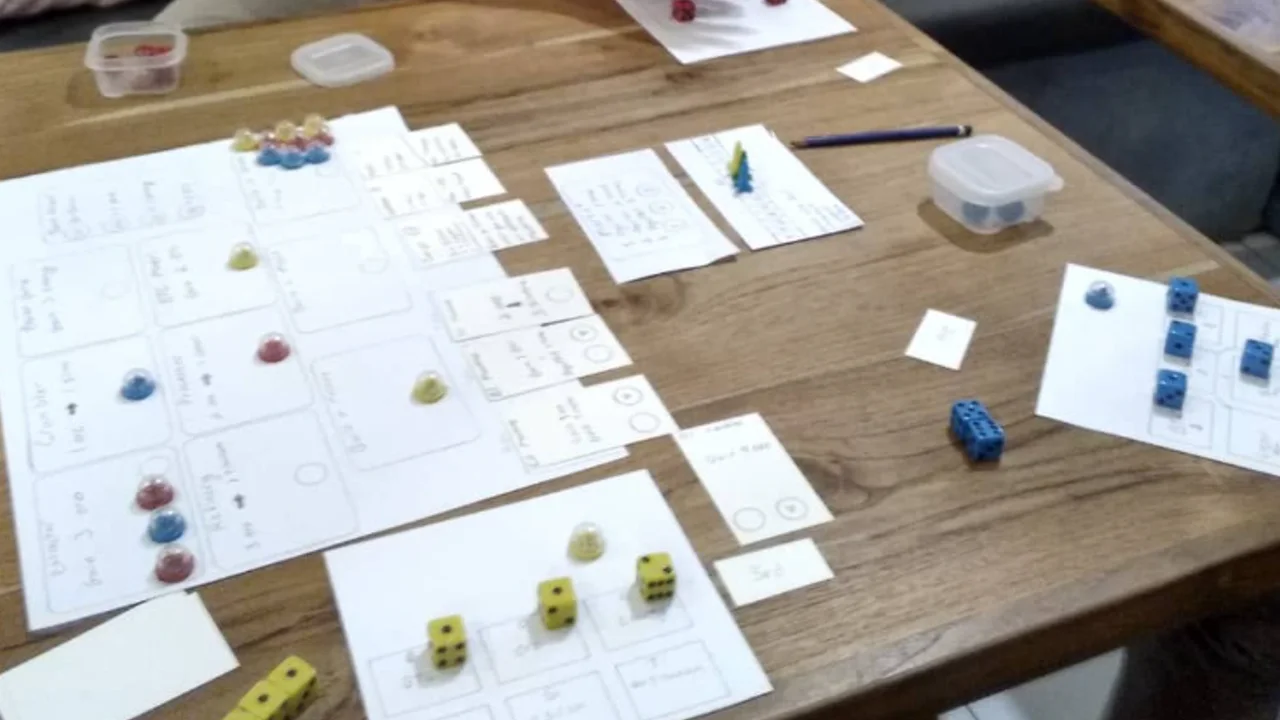
| Prototype | Prompt-to-playable, block out systems | Validate the core loop by hand | Treating a demo as a design |
| Vertical slice | Placeholder art, temp audio, boilerplate code | Art direction, feel, level intent | Placeholders quietly becoming final assets |
| Production | Code assist, test drafts, localization drafts | Systems, balance, real assets | The polish trap on small tasks |
| QA | Bug triage, log summarization, repro drafting | Judgment calls, player-facing fixes | Trusting AI-written repro steps blindly |
| Ship | Provenance and license audit | Final sign-off | Unverifiable asset origins |
The pattern is consistent: AI drafts, humans direct and finish. The moment that inverts, quality slips and nobody notices until a playtester does.
FAQ
Can I make a full game from a single prompt in 2026? No. Prompt-to-game tools can produce a playable toy or a prototype, which is genuinely useful for testing an idea. A shippable game still needs design, iteration, and finishing work that no current tool delivers on its own.
Is it safe to ship AI-generated art commercially? Only with a clear provenance and licensing trail. Rules vary by tool and region, and platform policies keep shifting. Treat every shipped asset as something you must be able to defend, and keep AI output in the placeholder lane unless you have that certainty.
Will AI replace game designers and artists? The 2026 data points to reshaping, not replacement. Roles that lean on judgment, direction, and player empathy are growing more valuable, while purely mechanical tasks compress. The developers thriving are the ones using AI to do more of the work they already do well.
What is the single highest-value use of AI for a small team? Prototyping. The ability to test five ideas in the time it used to take to test one is where small studios gain the most ground on bigger ones.
The honest takeaway
The half-and-half split in the industry is not a sign that AI is a fad or a revolution. It is a sign that the tools finally work well enough to argue about. In 2026, a small studio that uses AI to compress the boring middle of production, while keeping every judgment call human, can move like a team twice its size. That is the real advantage, and it is available today without any of the hype.
Sources
- GDC 2026 State of the Game Industry: layoffs, generative AI, and more
- GamingOnLinux: GDC 2026 report, 36% of devs use generative AI
- Game Developer: one third of game workers use generative AI, but half think it is bad
- The Pioneer: AI-assisted game development in 2026, Unity Muse and Rosebud
- Inkration: AI art tools for game studios in 2026, what actually works for production
- Starloop Studios: how game studios use AI in 2026
- Althera Games: AI tools for indie game dev 2026
ai-game-developmentgame-productionindie-devunity-museworkflow2026-trends