From Prompt to Prototype: An AI-Assisted Workflow That Ships
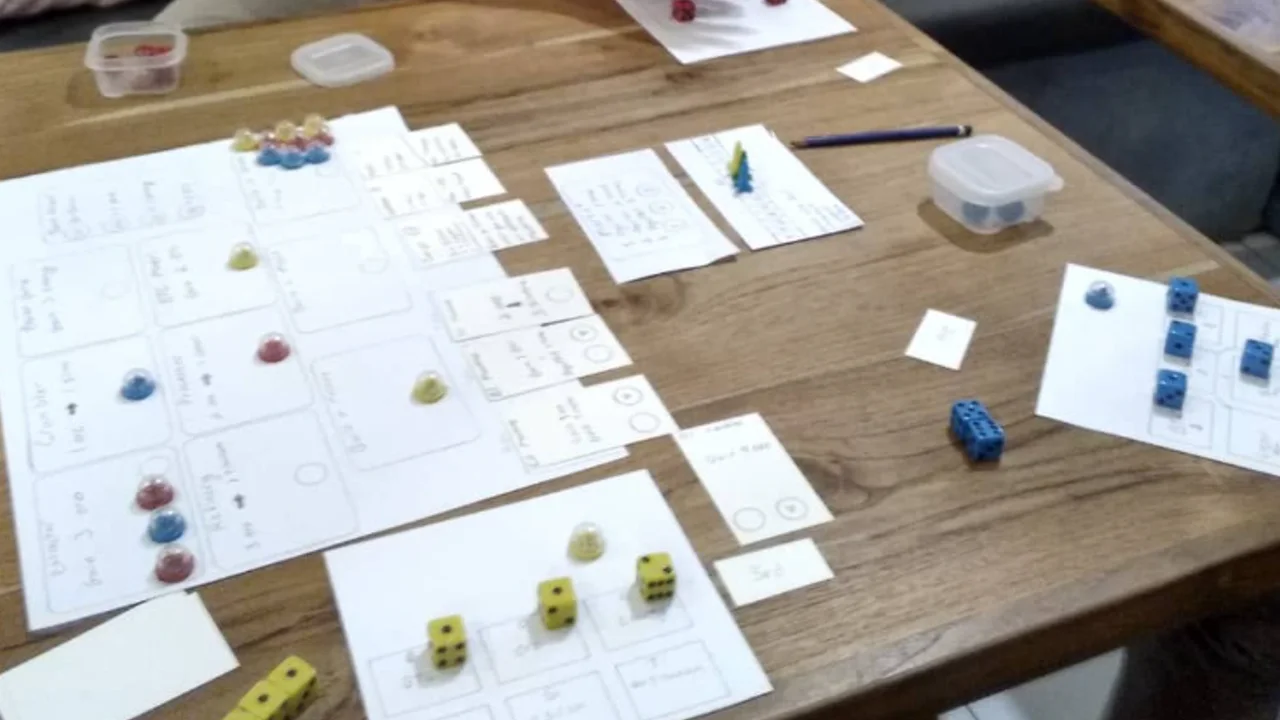
Image: Bud Leiser
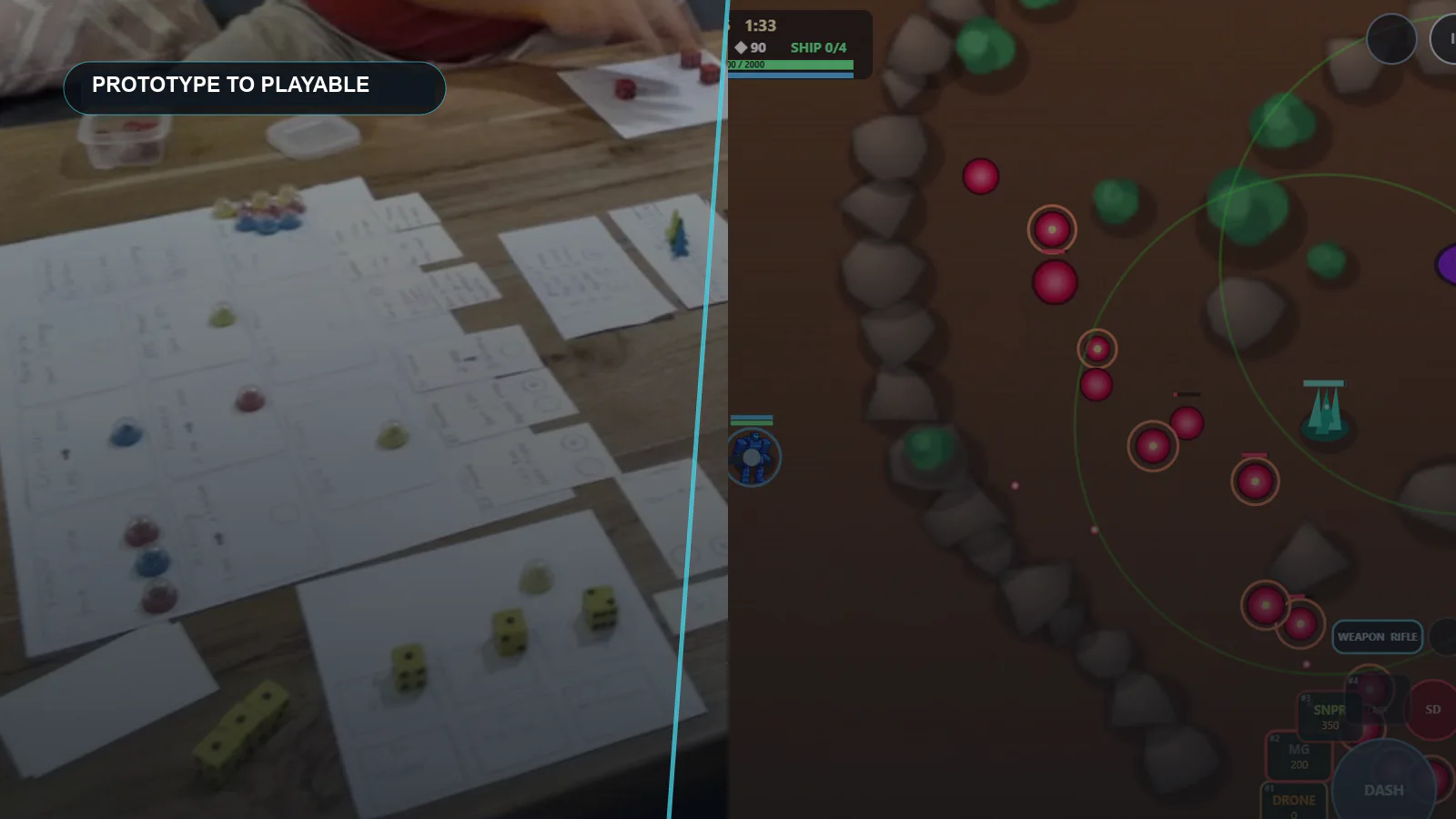
Every prototype dies in the same place: the gap between “I have an idea” and “I have something I can actually put in front of a player.” That gap used to eat a week of setup before you learned anything real. In 2026 you can cross it in an afternoon, but only if you treat AI as a way to move faster through a process you already understand, not as a substitute for one.
The pitch that a single prompt spits out a finished game is still noise. What is real, and genuinely useful, is a repeatable loop that takes a fuzzy concept and turns it into a rough, ugly, informative prototype fast enough that you can throw most of them away. Here is how that loop looks when it works.
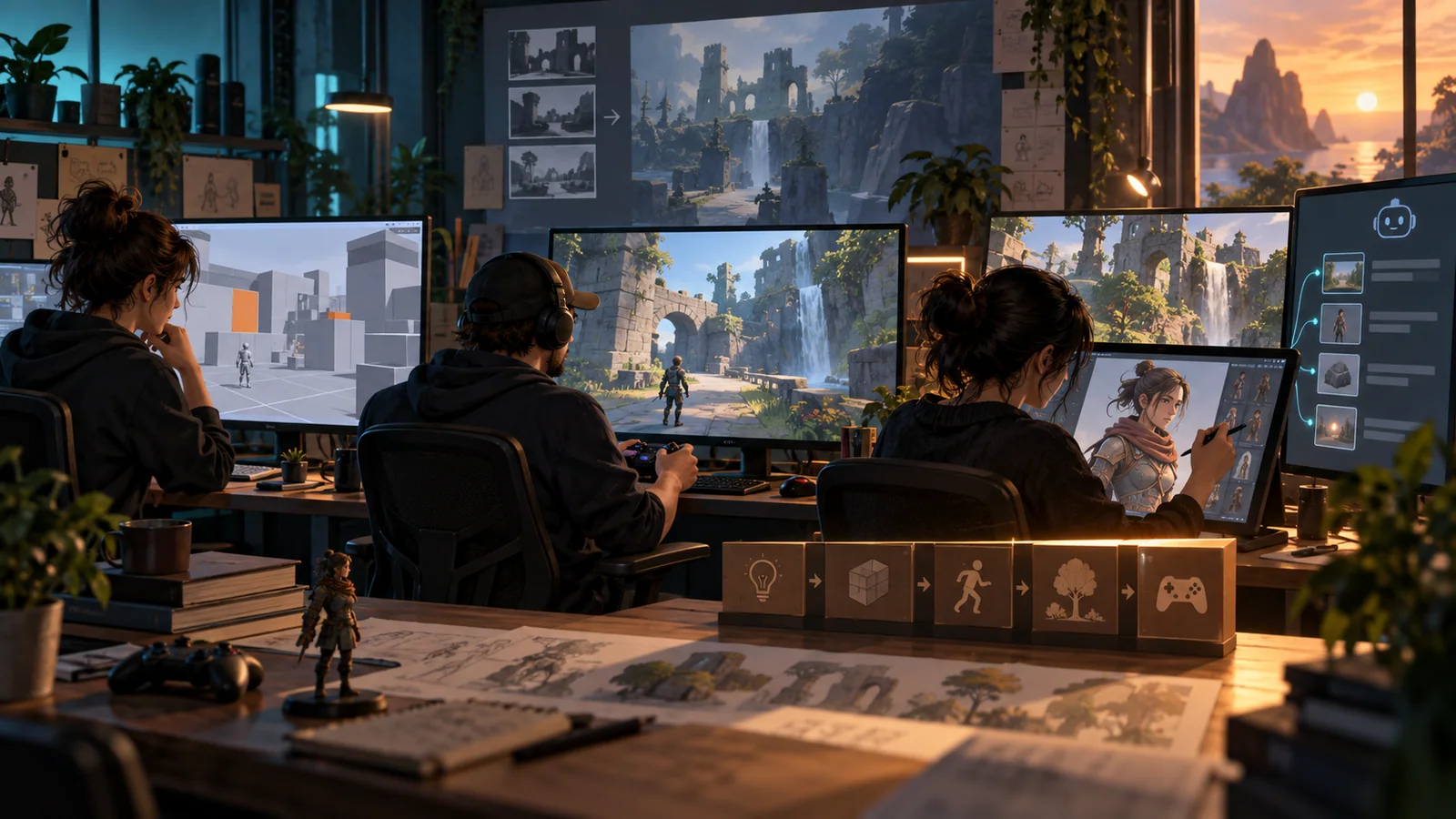
The five-step loop
The workflow below is deliberately boring. Boring is what ships.
- Write the one-sentence hook. Before any tool opens, name the single question the prototype must answer. “Is grappling to enemies fun?” is a testable hook. “A cool ninja game” is not.
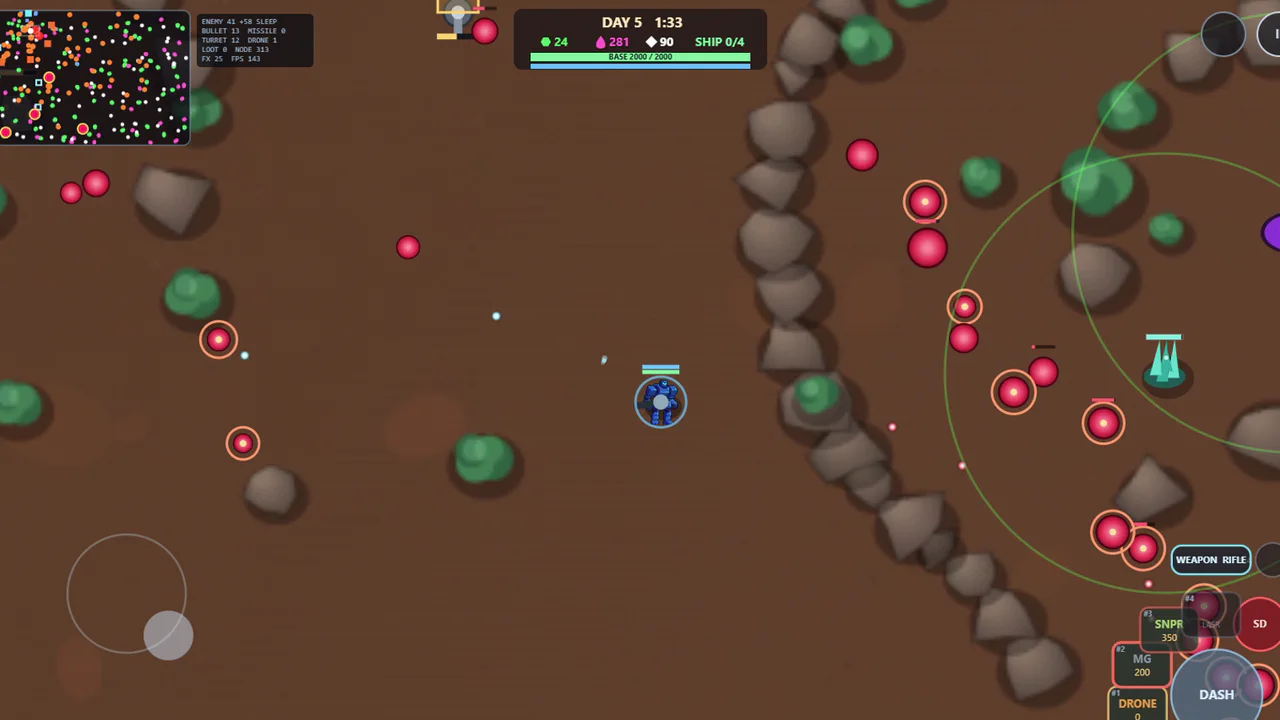
- Generate the ugliest playable version. Use a prompt-to-prototype platform like Rosebud, or an AI pair-programmer inside your engine, to stand up a loop that tests only the hook. No menus, no art, no polish.
- Play it yourself, honestly. Ten minutes with your own hands tells you more than an hour of planning. If the core feels dead, no amount of AI polish revives it.
- Get three other hands on it. Fresh players expose what you have stopped seeing. AI-generated placeholder art keeps them reacting to the mechanic instead of the missing content.
- Decide: cut, iterate, or commit. Most prototypes should be cut. That is a success, not a failure. You bought the answer cheaply.
Where AI actually saves you time
The savings are not evenly spread. AI compresses the setup and the tedium, not the thinking.
| Task | Old cost | With AI help |
|---|---|---|
| Boilerplate and scene setup | Half a day | Minutes |
| Placeholder art for a slice | A day of scavenging | An afternoon of generation |
| Ten variations of a mechanic | A week | A day |
| First-pass dialogue or barks | Hours | Minutes |
| Knowing whether it is fun | Only you can | Still only you |
That last row is the point. The moment you hand judgment to the tool, the prototype loses its reason to exist. AI fills the gap between decisions; you make the decisions. Studios like the team at BudLeiser use exactly this split when prototyping a new concept: generate the scaffolding fast, then spend the saved time on the one question that matters.
The traps that kill AI prototypes
Two failure modes show up again and again. The first is polishing too early. A prototype that looks finished invites feedback about the wrong things, and you get comments on the UI when you needed to know if the loop was fun. Keep it ugly on purpose.
The second is prompt drift, where you spend two hours coaxing a tool toward a result you could have built by hand in twenty minutes. Set a timer. If the AI is not clearly faster than doing it yourself, stop and do it yourself. The tool is there to remove friction, not to become the project.
FAQ
Do I need to be a programmer to use a prompt-to-prototype tool? No. Platforms like Rosebud let non-programmers stand up a playable loop. But someone still needs design judgment to read the result, and that skill matters more than the tooling.
Will the prototype code be good enough to keep? Usually not, and that is fine. Prototype code is meant to be thrown away. Rebuild the survivors properly once you know they are worth building.
How many prototypes should I expect to cut? Most of them. A healthy prototyping habit produces more dead ends than keepers. Cheap dead ends are the whole value.
The honest version of AI-assisted development is not magic. It is a way to ask “is this fun?” a lot sooner and a lot cheaper than you used to. That single change, applied consistently, is worth more than any specific tool on the market.
ai-game-developmentprototypingindie-devworkflowrosebud2026-trends